中国的文化大革命(1966-1976)是一场深远影响中国社会的政治运动。它以阶级斗争为导向,摧毁了国家的经济、文化和社会结构,造成了难以估量的人员伤亡和社会动荡。
The Chinese Cultural Revolution (1966-1976) was a political movement that profoundly impacted Chinese society. It was driven by class struggle and led to the destruction of the country's economic, cultural, and social structures, causing immeasurable casualties and social turmoil.
关于死亡人数,不同研究和资料提供了不同的估计。根据美国政治学教授鲁道夫·拉梅尔(Rudolph Rummel)的研究,文革期间的非正常死亡人数约为773万1千人。加州大学尔湾分校的苏扬教授则推断至少有75万至150万人被迫害致死,至少3,600万人经历了不同程度的政治迫害。邓小平曾表示,文革真正死了多少人,是一个“天文数字”,永远都无法估算。
Different studies and sources provide varying estimates of the death toll. According to American political science professor Rudolph Rummel, approximately 7.731 million people died unnaturally during the Cultural Revolution. Su Yang, a professor at the University of California, Irvine, estimated that at least 750,000 to 1.5 million people were persecuted to death, with at least 36 million experiencing some form of political persecution. Deng Xiaoping once stated that the true number of deaths in the Cultural Revolution was an "astronomical figure" that could never be accurately estimated.
本文通过对文革背景、实施过程及其带来的后果的分析,批判这场运动的极端性和破坏性,并探讨其对当代中国社会的影响。
This article analyzes the background, implementation, and consequences of the Cultural Revolution, critically examining its extremism and destruction while exploring its impact on contemporary Chinese society.
一、文化大革命的背景 I. Background of the Cultural Revolution
文化大革命的爆发有着复杂的政治背景。毛泽东在1950年代后期推行大跃进政策,导致严重的经济困难。面对党内批评,毛泽东希望通过一场大规模政治运动重新巩固其个人权威。与此同时,中共党内的权力斗争加剧,毛泽东利用群众运动清除异己,最终发动了文化大革命。
The outbreak of the Cultural Revolution had a complex political background. In the late 1950s, Mao Zedong implemented the Great Leap Forward policy, leading to severe economic difficulties. Facing criticism within the Communist Party, Mao sought to consolidate his personal power through a large-scale political movement. At the same time, power struggles within the Communist Party intensified, and Mao used mass movements to purge political opponents, ultimately launching the Cultural Revolution.
二、文化大革命的实施 II. Implementation of the Cultural Revolution
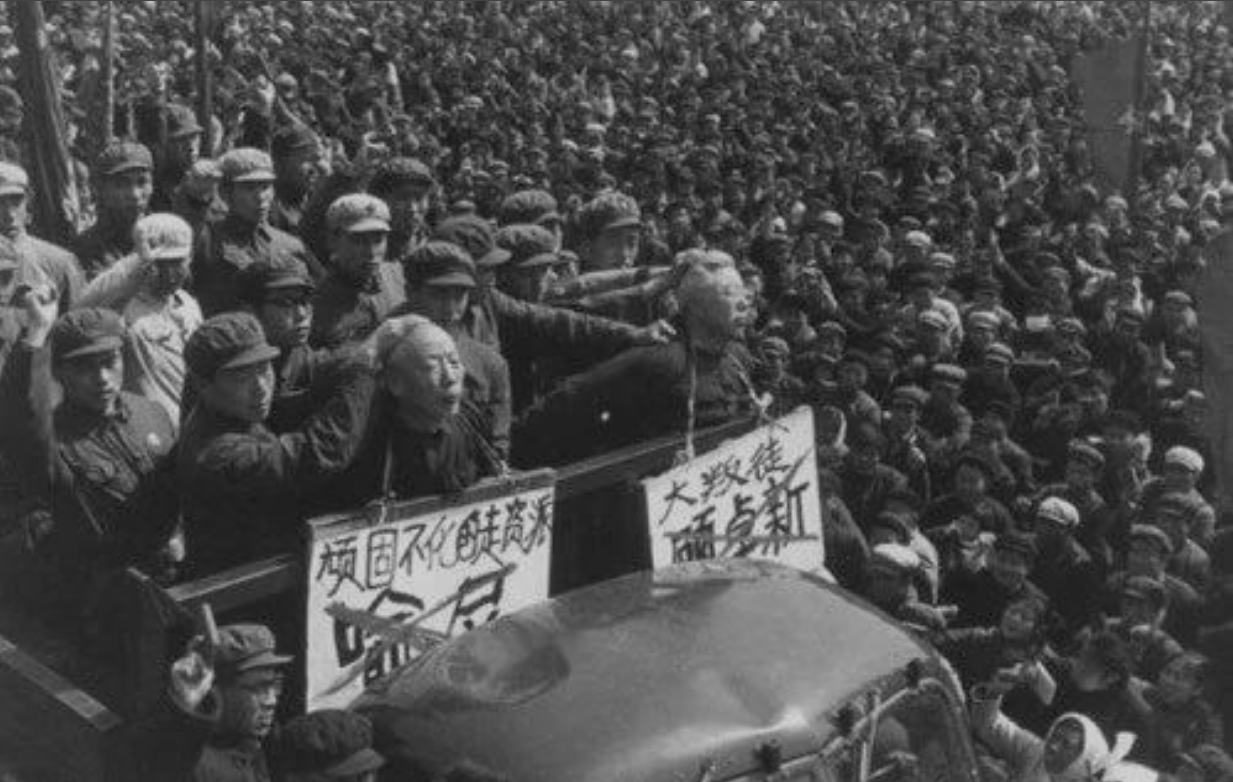
文化大革命的核心是“无产阶级专政下继续革命”的理论,毛泽东号召全国群众,特别是青年学生,形成红卫兵组织,对党政机构、知识分子、文化机构展开大规模批斗和迫害。大量历史文物、书籍被焚毁,教育体系遭到破坏,社会秩序陷入混乱。政府高层、知识分子和普通民众遭受批斗、关押甚至迫害致死。
At the core of the Cultural Revolution was the theory of "continuing the revolution under the dictatorship of the proletariat." Mao Zedong called on the masses, especially young students, to form Red Guard organizations that launched large-scale attacks on government institutions, intellectuals, and cultural organizations. Countless historical artifacts and books were destroyed, the education system was severely damaged, and social order fell into chaos. High-ranking officials, intellectuals, and ordinary citizens faced public criticism, imprisonment, or even death due to persecution.
三、文化大革命的后果 III. Consequences of the Cultural Revolution
- 政治后果:文革期间,国家机器陷入瘫痪,大量领导干部被迫害,党内高层的权力斗争激烈,最终导致1976年“四人帮”被捕,文革宣告结束。Political Consequences: The state apparatus became paralyzed during the Cultural Revolution. Many leading officials were persecuted, and internal power struggles within the Communist Party intensified, ultimately leading to the arrest of the "Gang of Four" in 1976 and the official end of the Cultural Revolution.
- 经济损失:文革摧毁了正常的经济发展秩序,工农业生产严重下滑,全国经济陷入停滞。Economic Losses: The Cultural Revolution destroyed the normal order of economic development, causing a severe decline in industrial and agricultural production and plunging the national economy into stagnation.
- 文化与社会破坏:大量传统文化遗产被破坏,教育体系受到重创,导致一代人失去了正常受教育的机会。Cultural and Social Destruction: A vast amount of traditional cultural heritage was destroyed, and the education system was deeply damaged, depriving an entire generation of proper education.
- 人权灾难:文革造成了数百万人的死亡,无数家庭被拆散,人们生活在恐惧和政治迫害之中。Human Rights Disaster: Millions of people lost their lives during the Cultural Revolution, countless families were torn apart, and people lived in fear of political persecution.
四、毛泽东的错误 IV. Mao Zedong’s Mistakes
毛泽东在文化大革命中的错误主要体现在以下几个方面:
Mao Zedong's mistakes during the Cultural Revolution were mainly reflected in the following aspects:
- 个人崇拜的极端化:毛泽东鼓励个人崇拜,使得政策决策缺乏监督,导致严重的社会混乱。Extreme Cult of Personality: Mao encouraged a cult of personality, leading to a lack of policy oversight and severe social chaos.
- 阶级斗争的极端化:以阶级斗争为纲,导致全国范围内的大规模政治迫害,破坏了社会稳定。Extreme Class Struggle: Emphasizing class struggle as the central theme resulted in widespread political persecution and social instability.
结论 Conclusion
文化大革命是一场影响深远的政治浩劫,其历史教训值得深刻反思。通过总结文革的错误,我们应当更加珍视民主、法治和人权,推动社会的公平与正义,防止历史悲剧的重演。
The Cultural Revolution was a profound political catastrophe with significant historical lessons. By reflecting on the mistakes of the Cultural Revolution, we should cherish democracy, rule of law, and human rights, promote social justice, and prevent the recurrence of such historical tragedies.