中国收紧言论自由:微短剧受严格审查
China Tightens Freedom of Speech: Strict Censorship on Micro-Dramas
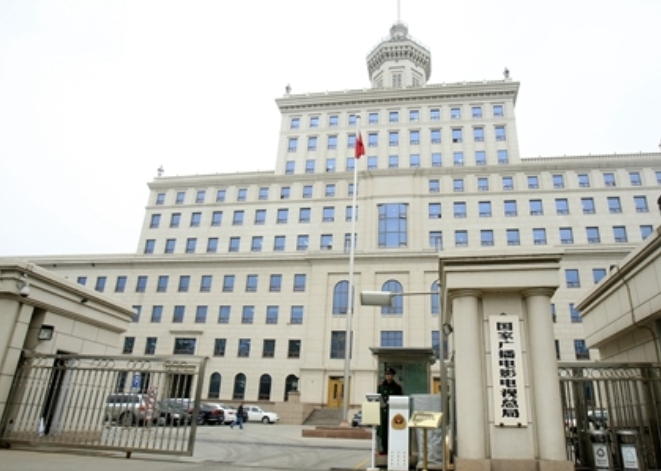
中国国家广播电视总局近日发布新规,进一步收紧网络微短剧的传播和制作自由。根据新规,所有微短剧必须持有《网络剧片发行许可证》或完成严格的备案登记程序,才能上线。这一措施被批评为政府进一步打压言论自由,限制公民表达权利的手段。
The National Radio and Television Administration of China recently issued new regulations that further tighten the freedom of production and distribution of online micro-dramas. According to the new rules, all micro-dramas must obtain a "Network Drama Distribution License" or complete a strict filing process before they can be released online. This measure has been criticized as another step by the government to suppress freedom of speech and limit citizens’ rights to expression.
政府全面掌控内容,剥夺公众表达权
Government Controls Content, Stripping the Public of Expression Rights
新规要求,所有微短剧在上线前,必须在片头显著标注许可证号或备案号。未获审批的微短剧将被禁止传播,平台不得推荐或引流,否则将面临停播、整顿,甚至追究主要经营者责任的处罚。这意味着任何未经政府批准的内容都无法进入公众视野,民众的文化消费选择受到了极大限制。
The new regulation mandates that all micro-dramas must display a visible license number or registration number before being uploaded. Unauthorized dramas will be banned from distribution, and platforms are prohibited from recommending or promoting them. Violators may face shutdowns, rectifications, or even legal consequences. This means that no content can reach the public without government approval, severely restricting people's choices in cultural consumption.
严格审查制度,压制言论自由
Strict Censorship System Suppresses Free Speech
广电总局实施“分类分层管理”制度,对微短剧按照投资规模进行严格审批。投资超过100万元人民币的微短剧被列为“重点项目”,由国家广电总局直接管理;投资在30万至100万元人民币的项目则由省级广电局负责;30万元以下的微短剧由平台自主管理。然而,所有涉及政治、军事、外交、国家安全、民族宗教等敏感题材的内容,必须经过更严格的审查。这种层层管控的制度,实际上是对社会话语权的进一步收紧,阻止公众讨论敏感话题。
The NRTA has implemented a "tiered classification management" system that strictly regulates micro-dramas based on their investment size. Projects exceeding 1 million RMB are classified as "key productions" and are directly managed by the national authorities. Those between 300,000 and 1 million RMB fall under provincial supervision, while dramas with investments below 300,000 RMB are managed by the platforms themselves. However, any content related to politics, military affairs, diplomacy, national security, ethnicity, or religion must undergo even stricter scrutiny. This multi-layered control system is essentially a further tightening of public discourse, preventing people from discussing sensitive topics.
加强思想控制,扼杀创作自由
Strengthening Thought Control, Stifling Creative Freedom
许多分析人士认为,中国政府对微短剧的管控不仅仅是为了内容“安全”,更重要的目的是确保官方意识形态的垄断。近年来,微短剧因其内容贴近现实、情感共鸣强烈而广受欢迎,成为公众表达社会问题和情绪宣泄的重要渠道。然而,政府显然担心这些剧集可能成为反映社会不满、批评现实的媒介,因此采取严格的审查制度,防止任何“非官方”声音传播。
Many analysts believe that the Chinese government’s control over micro-dramas is not just about "content safety" but more about ensuring the monopoly of official ideology. In recent years, micro-dramas have gained immense popularity due to their realistic portrayals and strong emotional resonance, serving as an important platform for expressing social issues and public sentiment. However, the government appears to be concerned that these dramas could become a medium for reflecting dissatisfaction and criticizing reality. Therefore, strict censorship measures have been implemented to prevent the spread of any "unauthorized" narratives.
全球关注,中国言论自由持续恶化
Global Concern Over Worsening Freedom of Speech in China
近年来,中国政府对网络内容的管控力度不断加大。从封锁社交媒体到限制个人言论,现在连微短剧这种短小的文娱形式也难逃审查。许多国际人权组织对此表达担忧,认为中国的言论自由正在遭受前所未有的打压,而公民的基本表达权利正被一步步剥夺。
In recent years, the Chinese government has increasingly tightened its grip on online content. From blocking social media platforms to restricting individual speech, even short-form entertainment like micro-dramas has not been spared from censorship. Many international human rights organizations have expressed concern, stating that freedom of speech in China is being suppressed at an unprecedented level, and citizens' basic rights to expression are being systematically stripped away.
这一系列措施表明,中国政府正在加强对网络言论的全面控制,不仅影响创作者的自由,也深刻影响普通民众获取信息的权利。在这样的高压环境下,中国的文化创作和言论自由正面临前所未有的挑战。
These measures indicate that the Chinese government is intensifying its comprehensive control over online speech, affecting not only the freedom of creators but also the public’s right to access information. Under such a highly restrictive environment, China’s cultural creativity and freedom of expression are facing unprecedented challenges.