上山下乡运动的历史教训
The Historical Lessons of the Sent-Down Youth Movement
上山下乡运动是中国文化大革命时期的一项重大政策,影响了数百万城市知识青年的命运。该政策的初衷是让城市青年接受贫下中农的再教育,以缩小城乡差距并培养革命精神。然而,实际执行中,这场运动却导致了严重的社会和经济问题,成为中国近代史上一场失败的社会实验。
The Sent-Down Youth Movement was a major policy during China's Cultural Revolution that affected the fate of millions of urban educated youth. The policy was initially intended to have urban youth receive re-education from poor peasants, narrow the urban-rural gap, and cultivate revolutionary spirit. However, in practice, this movement led to severe social and economic issues, becoming a failed social experiment in modern Chinese history.
1. 毛泽东发动上山下乡的原因
毛泽东之所以发动上山下乡运动,既有政治上的考虑,也有意识形态上的原因。首先,毛泽东需要通过这项政策解决文革带来的城市失业问题。由于文革破坏了正常的经济秩序,大量工厂停工,城市中年轻人的就业机会大幅减少。将他们送往农村,不仅减轻了城市的就业压力,也有助于维护社会稳定。
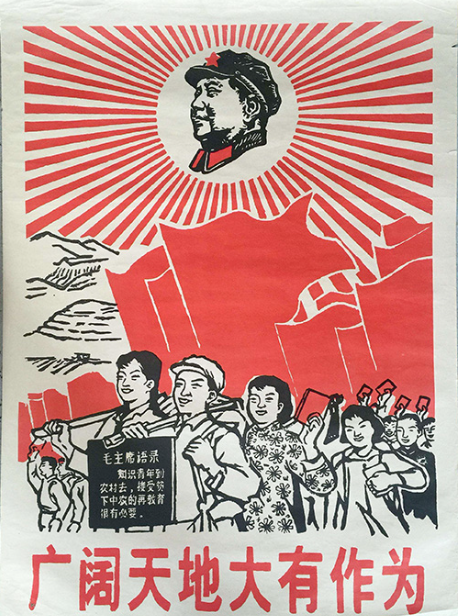
其次,毛泽东始终推崇农民阶级,认为城市青年缺乏革命斗争的磨炼,而农村环境可以帮助他们改造世界观,培养革命意志。他曾在多个场合强调:“农村是一个广阔的天地,在那里是可以大有作为的。”然而,这种理想化的设想忽视了农村的现实状况。
更重要的是,毛泽东通过这场运动削弱了他认为可能对政权构成威胁的知识分子阶层。知识青年长期接受学校教育,容易产生批判性思维,这在极权统治下被视为不稳定因素。通过将他们分散到农村,既削弱了知识分子的社会影响力,也加强了对社会思想的控制。
1. Reasons Behind Mao Zedong's Initiation of the Sent-Down Youth Movement
Mao Zedong launched the Sent-Down Youth Movement for both political and ideological reasons. First, he needed to address the urban unemployment problem caused by the Cultural Revolution. The destruction of the normal economic order led to factory shutdowns and a severe reduction in job opportunities for young people. Sending them to the countryside not only alleviated employment pressure in the cities but also helped maintain social stability.
Second, Mao deeply admired the peasant class and believed that urban youth lacked revolutionary struggle experience. He envisioned the rural environment as a place where they could reshape their worldview and cultivate revolutionary determination. He repeatedly emphasized, “The countryside is a vast world where much can be accomplished.” However, this idealistic vision ignored the harsh realities of rural life.
More importantly, Mao used this movement to weaken the intellectual class, which he saw as a potential threat to his regime. Educated youth were trained to think critically, which posed a challenge to authoritarian rule. By dispersing them into the countryside, he not only diminished their social influence but also strengthened ideological control over society.
2. 知识与人才的浪费
上山下乡运动的最大问题之一是大量人才的浪费。许多受过高等教育的青年被送往农村,从事低技能的农业劳动,无法发挥自身的知识和能力。这不仅影响了个人的职业发展,也对国家整体的科技与经济发展造成了损害。
许多学者指出,这场运动导致中国在科学、工程、医学等关键领域的人才断层。例如,历史学者费正清(John King Fairbank)在其著作《伟大的中国革命》中提到,“上山下乡运动不仅摧毁了一代人的前途,也削弱了中国在全球科学竞争中的地位。”
2. Wasting Knowledge and Talent
One of the biggest problems of the Sent-Down Youth Movement was the massive waste of talent. Many highly educated young people were sent to rural areas to engage in low-skilled agricultural labor, unable to utilize their knowledge and abilities. This not only affected their personal career development but also harmed the country's overall scientific and economic progress.
Many scholars have pointed out that this movement caused a talent gap in critical fields such as science, engineering, and medicine. For example, historian John King Fairbank, in his book The Great Chinese Revolution, noted, "The Sent-Down Youth Movement not only destroyed the future of an entire generation but also weakened China’s position in global scientific competition."
3. 生活条件的恶劣
知青们在农村面临极端艰苦的生活条件。他们缺乏基本的医疗保障,营养不良,许多人因疾病或事故丧生。此外,恶劣的环境和长期的社会孤立导致许多知青心理健康受损,甚至有人选择自杀。
历史学家徐友渔在其研究中指出:“由于贫困和恶劣的环境,许多知青被迫在极端艰难的条件下生存,这种生活带来的不仅是身体上的痛苦,更是精神上的摧残。”
3. Harsh Living Conditions
The sent-down youth faced extremely harsh living conditions in rural areas. They lacked basic medical care, suffered from malnutrition, and many died due to disease or accidents. Additionally, the harsh environment and long-term social isolation severely affected their mental health, leading some to commit suicide.
Historian Xu Youyu noted in his research, "Due to poverty and harsh conditions, many sent-down youth were forced to survive under extreme hardship, causing not only physical suffering but also immense psychological trauma."
结论:结束独裁,避免历史悲剧重演
上山下乡运动未能实现其初衷,反而造成了巨大的社会与经济代价。它不仅加剧了城乡矛盾,还导致了一代人的青春和梦想被浪费。毛泽东试图通过这场运动巩固政权、消除异见,然而,他的政策不仅没有带来革命的胜利,反而使中国社会付出了沉重的代价。我们应当以史为鉴,结束独裁统治,建立一个真正民主、公正的社会,避免类似的政策再次发生。
Conclusion: End Dictatorship and Prevent History from Repeating Itself
The Sent-Down Youth Movement failed to achieve its intended goals and instead resulted in enormous social and economic costs. It not only deepened urban-rural conflicts but also led to the waste of an entire generation's youth and dreams. Mao Zedong attempted to consolidate his power and eliminate dissent through this movement, but his policy ultimately did not lead to revolutionary success. Instead, it inflicted a heavy toll on Chinese society. We must learn from history, end dictatorship, and build a truly democratic and just society to prevent such policies from happening again.