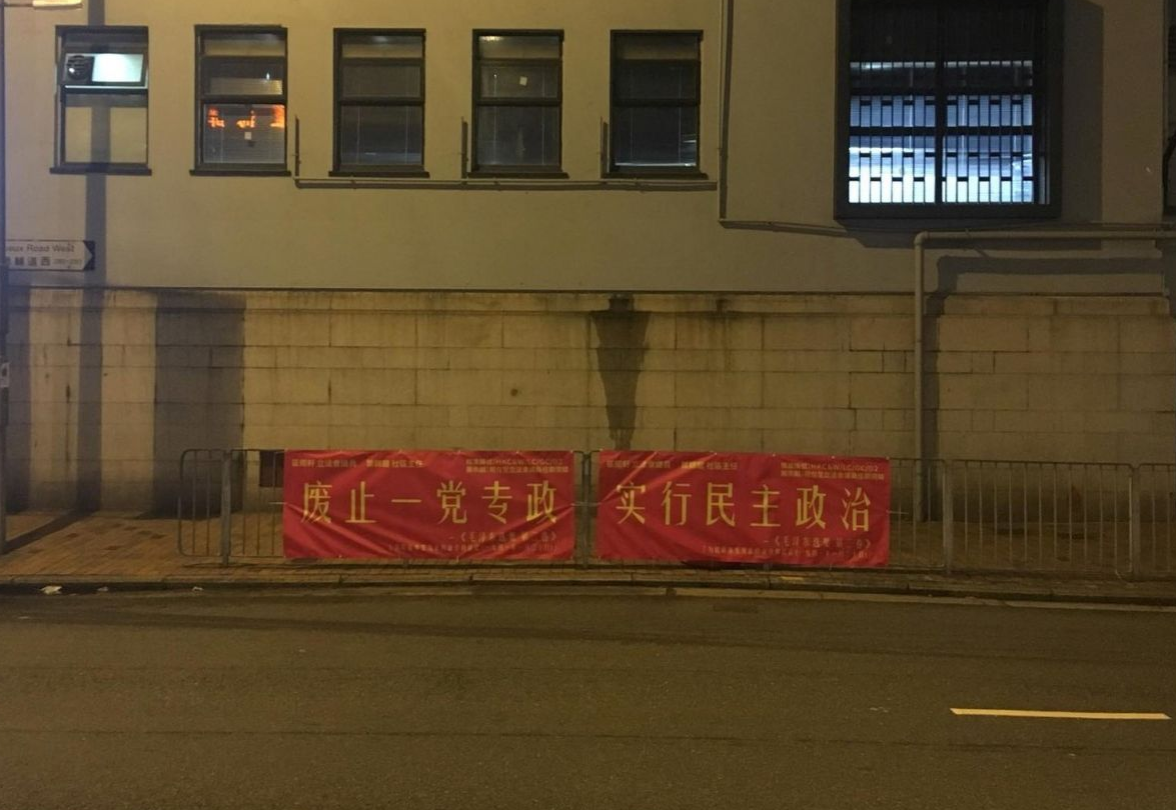
独裁和一党专政是一种极端集权的统治形式,政府掌控一切,人民没有选择的权利,社会失去正常的竞争和活力。虽然这种制度可能在短时间内带来稳定,但长期来看,它的危害极其深远,影响国家的政治、经济、社会和文化,最终可能导致国家衰败、社会动荡,甚至政权崩溃。
Dictatorship and one-party rule are forms of extreme centralized governance where the government controls everything, the people have no choice, and society loses normal competition and vitality. While such a system may bring short-term stability, in the long run, it has severe consequences, affecting the country's politics, economy, society, and culture, ultimately leading to national decline, social unrest, and even regime collapse.
一、政治层面的弊端 | Political Drawbacks
1. 领导人独裁,决策失误无法纠正 | Dictatorship Leads to Uncorrectable Decision-Making Errors
在民主国家,政策有国会、媒体、民众监督,做错了可以改。但在独裁体制下,领导人的话就是命令,谁都不能反驳,哪怕政策错得离谱,没人敢指出,最终会酿成大祸。
In democratic countries, policies are supervised by parliament, the media, and the people, and mistakes can be corrected. However, in a dictatorship, the leader’s word is law, and no one dares to challenge it, even if the policy is gravely flawed. This often results in disasters.
- 斯大林的大清洗(1936-1938):斯大林独裁统治苏联,他怀疑任何人可能威胁他的地位,随意制造冤案,处决了大批优秀的军事将领、科学家、作家,甚至普通老百姓。结果是苏联人才大量流失,国家发展停滞,二战初期苏联军队因缺乏经验丰富的指挥官,遭受德国重创。
- Stalin’s Great Purge (1936-1938): Stalin ruled the Soviet Union with an iron fist, suspecting anyone who might threaten his power. He fabricated false charges, executing numerous outstanding military leaders, scientists, and writers, as well as ordinary citizens. As a result, the Soviet Union suffered a massive brain drain, national progress stalled, and during World War II, the Soviet military suffered devastating losses due to the lack of experienced commanders.
- 毛泽东的大跃进(1958-1962):为了“超英赶美”,全国被要求大炼钢铁,农民放下农具去炼废铁,田地没人管,粮食大减产。更可怕的是,为了迎合上级,地方官员谎报粮食产量,导致政府以为粮食充足,继续出口粮食,最终上千万人因饥饿而死亡。
- Mao Zedong’s Great Leap Forward (1958-1962): In an effort to "surpass Britain and catch up with America," the entire nation was ordered to produce steel, with farmers abandoning their fields to smelt worthless iron. Crops were left unattended, leading to a sharp drop in food production. Worse, local officials falsified grain reports to please superiors, making the government believe there was a surplus. As a result, China continued exporting grain while millions of people starved to death.
独裁体制下,错误政策不会被及时修正,最终演变成国家灾难。
In a dictatorship, erroneous policies are not corrected in time, ultimately turning into national disasters.
2. 个人崇拜,权力腐败 | Cult of Personality and Corruption
独裁者往往制造个人崇拜,把自己塑造成“伟大领袖”,让人民对他盲目忠诚,甚至形成神化,导致社会扭曲。
Dictators often create a cult of personality, portraying themselves as "great leaders" to enforce blind loyalty among the people, sometimes even deifying themselves, leading to societal distortion.
- 朝鲜的金家王朝:金日成、金正日、金正恩三代统治朝鲜,国家贫困、人民挨饿,但政府宣传他们是“太阳”,“人民的父亲”,任何批评政府的人都会被处决或送进劳改营。
- North Korea’s Kim Dynasty: Kim Il-sung, Kim Jong-il, and Kim Jong-un have ruled North Korea for three generations. The country remains impoverished, and people suffer from starvation, yet the government promotes them as the "Sun" and the "Father of the People." Anyone who criticizes the regime is executed or sent to labor camps.
- 齐奥塞斯库(罗马尼亚):为了塑造自己伟大的形象,他让全国人民在广播里每天听他的演讲,修建了世界第二大政府大楼(人民宫),导致国家经济崩溃,最终被愤怒的人民推翻并处决。
- Nicolae Ceaușescu (Romania): To elevate his personal image, he forced the entire nation to listen to his speeches daily on the radio and built the second-largest government building in the world (the Palace of the Parliament). His extravagance led to economic collapse, and he was eventually overthrown and executed by his own people.
当一个国家的资源被用于满足独裁者的个人野心,而不是人民的福祉时,腐败和不公就会滋生,国家终将走向衰败。
When a nation’s resources are used to satisfy the dictator’s personal ambitions rather than the well-being of its people, corruption and injustice flourish, leading to inevitable decline.
三、社会层面的弊端 | Social Drawbacks
1. 人民没有自由,思想受压制 | No Freedom, Suppressed Thinking
独裁政权会严格控制人民的言论、思想,任何反对政府的声音都会被打压。
Dictatorial governments strictly control speech and thoughts, suppressing any voices of opposition.
- 中国的言论管控:互联网受到严格审查,不能批评政府,否则可能被封号、拘捕。
- China’s Censorship: The internet is heavily censored, and criticizing the government can lead to account bans or even arrests.
- 伊朗的宗教极权:女性没有自由,必须戴头巾,不能单独外出,抗议者会被逮捕甚至处死。
- Iran’s Religious Dictatorship: Women lack freedom, must wear headscarves, and cannot travel alone. Protesters face arrest or even execution.
当一个社会失去自由,人们只能活在恐惧中,国家就会失去创造力,最终停滞不前。
When a society loses freedom, people live in fear, the country loses creativity, and progress comes to a halt.
结论 | Conclusion
独裁和一党专政可能在短期内带来表面的稳定,但长期来看,它带来了政治腐败、经济崩溃、社会不公和文化倒退,最终只会导致国家走向混乱或衰亡。世界上许多独裁政权最终都被人民推翻,历史已经证明,民主、法治、公平竞争才是一个国家长久发展的关键。
Dictatorship and one-party rule may bring temporary stability, but in the long run, they lead to political corruption, economic collapse, social injustice, and cultural regression, ultimately causing national chaos or decline. Many authoritarian regimes have been overthrown by their own people. History has proven that democracy, the rule of law, and fair competition are the true keys to a nation’s long-term prosperity.